A Creative Industry Sounding the Alarm
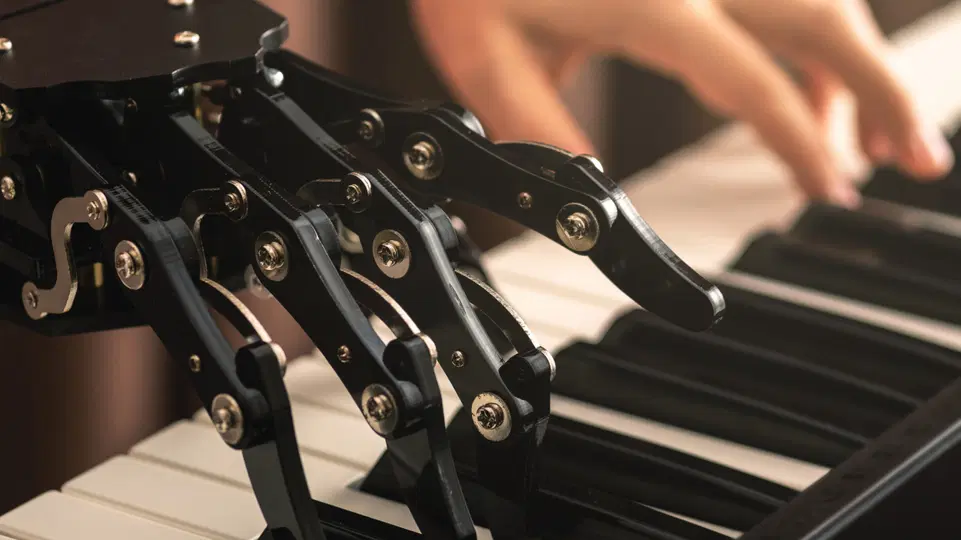
The rise of generative AI has sent shockwaves through the UK’s creative industries — and musicians are among those feeling the most vulnerable. According to new research highlighted in a major report, nearly three‑quarters of UK musicians now fear that unregulated AI could threaten their ability to earn a living.
The findings reveal a sector on the brink of profound transformation, where technology offers both creative opportunity and existential risk.
“One in three creative industry jobs is now considered at risk due to rapid advancements in generative AI.”
AI Is Reshaping the Music Landscape — Fast
The report, Brave New World?, outlines how generative AI models — capable of creating fully composed songs, instrumentals, and vocals — are increasingly trained using copyrighted music without the creator’s consent. A staggering 99% of creatives surveyed said their work had already been “scraped” into AI datasets.
For musicians who rely on commissions, royalties, live gigs, and licensing deals, the implications are serious. When AI can produce convincing music instantly and at scale, the commercial value of human-made work becomes less certain — especially when the AI itself learned from those very creators.
Real‑World Impact: Jobs Already Lost
The crisis isn’t hypothetical. The report highlights that:
- Illustrators: Nearly 1 in 3 have lost commissions due to AI.
- Photographers: 58% report negative impacts.
- Authors: Over half say AI is reducing their opportunities.
These trends point to a broader threat — the displacement of human creators across multiple disciplines. Musicians fear they are next.
The Copyright Battle Heating Up
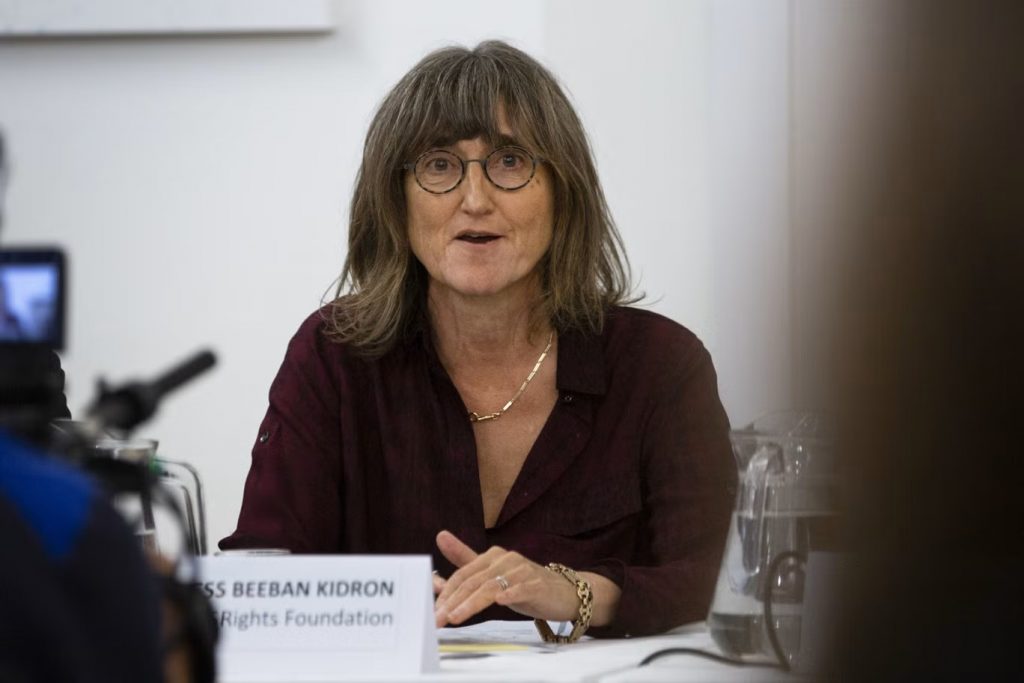
The UK government has stated its ambition to become a global leader in AI innovation, but creators argue that innovation cannot come at the cost of their livelihoods. A 2025 government consultation found that 95% of respondents supported licensing as the only fair mechanism for using creative work to train AI systems.
However, current regulation has not caught up — leaving creators exposed, unprotected, and uncompensated.
“We are standing on the brink of losing an entire sector.” — Report authors
Economic Pressure Was Already High for Musicians
Even before AI disruption, UK musicians faced significant financial challenges. The first-ever Musicians’ Census revealed that:
- 43% earn less than £14,000 per year from music.
- 23% say they cannot support themselves or their families from music alone.
- Over half rely on work outside the industry to survive.
AI’s rapid rise is intensifying these pressures — adding job insecurity to an already fragile profession.
What Musicians Want: Safety, Licensing & Fair Compensation
The report urges immediate government action, calling for:
- Clear licensing requirements for training AI on copyrighted music
- Stronger copyright enforcement to prevent unauthorised dataset scraping
- Regulation of generative AI models before commercial use
- Fair payment frameworks for artists whose work trains AI systems
Without intervention, creators warn that the UK could “sleepwalk” into a future where human artistry is undervalued and underpaid.
Final Thoughts: An Industry at a Crossroads
Musicians aren’t resisting technology — they’re asking for fairness. They want innovation, not exploitation. With nearly 75% fearing for their future, the message is clear: without ethical guardrails and compensation mechanisms, AI could destabilise the livelihoods of thousands of artists.
The creative sector has always adapted to new technologies. But in 2026, the question isn’t how quickly AI will evolve — it’s whether policy, ethics, and industry support can keep pace before a generation of musicians is left behind.