
A Puzzle Hidden in the Alps
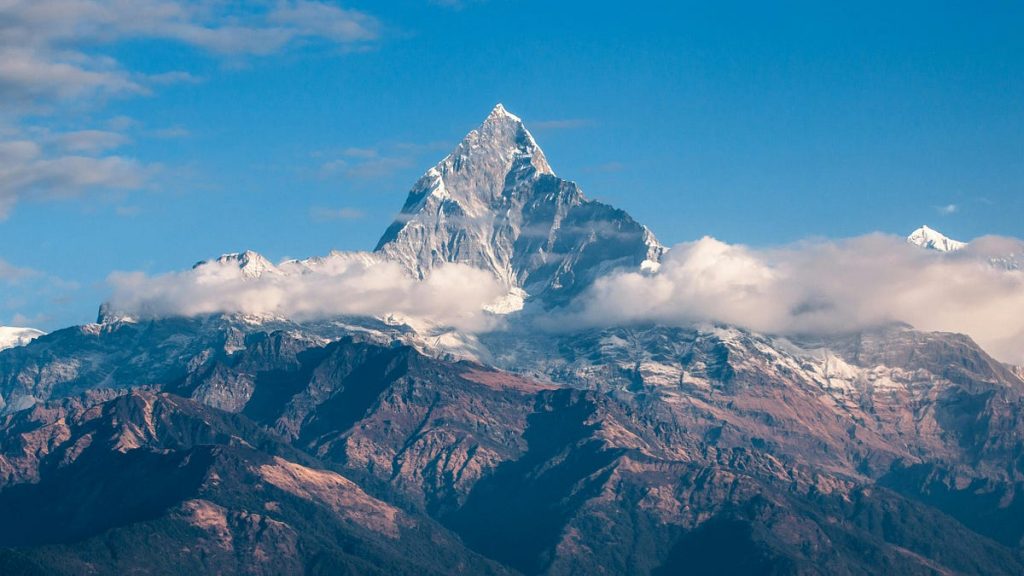
The disappearance of experienced Italian mountaineer and orthopaedic surgeon Nicola Ivaldo in September 2024 left rescuers with almost no clues to work with. After he failed to return from a solo climb in the Cottian Alps, more than fifty rescuers scoured vast stretches of treacherous terrain — from Monviso’s jagged north face to the surrounding valleys — but early snow and dangerous conditions forced the search to be abandoned.
When winter arrived, hopes dimmed. The mountain range had swallowed yet another climber, and for nearly a year, the mystery endured.
“Searching for a missing person in mountainous terrain can feel like finding a needle in a haystack.”
When Human Search Crews Could Do No More
Rescue teams had traced Ivaldo’s last known phone signal to the region between Monviso and Visolotto, where hundreds of miles of trails splinter into dozens of gullies and hidden couloirs. No hikers reported seeing him, meaning he had likely taken a remote and technically demanding route. Despite days of ground searching and repeated helicopter sweeps, no sign of the mountaineer appeared before snowfall forced a halt.
For months, the Alps remained silent — until technology stepped in.
AI and Drones Return to the Mountain
In July 2025, once the winter snows melted, rescue teams resumed the search — but this time equipped with AI‑powered visual analysis and high‑resolution drone photography. Two drones were deployed over a 183‑hectare search zone, capturing more than 2,600 images of steep rock faces and inaccessible terrain.
Traditionally, reviewing thousands of these images would take human analysts weeks or months. But the AI system — trained to detect anomalies in natural environments — processed every image in hours, scanning for unusual colours, shapes, and patterns.
The Breakthrough: A Single Red Pixel
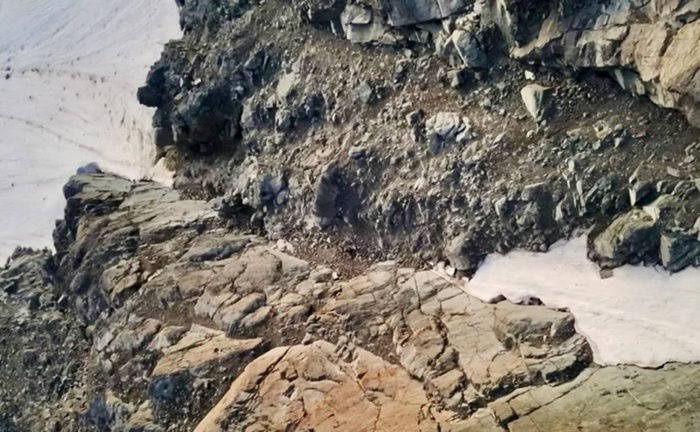
The turning point in the investigation came when the AI flagged a tiny, unexpected detail: a faint red pixel buried in the shadowed slope of a dangerous couloir. To humans, it looked like nothing. To the algorithm, it was an anomaly worth investigating.
When rescue teams sent drones back for a closer inspection, the faint red dot resolved into a tragic but vital clue — Ivaldo’s red climbing helmet. His remains were located soon after at approximately 3,150m on the north wall of Monviso.
“Without the AI highlighting the red dot in the drone photographs, he might never have been found.”
A New Era for Mountain Rescue
While the outcome was heartbreaking, the case demonstrates how AI can drastically accelerate search‑and‑rescue operations — especially in remote, hazardous areas too dangerous or vast for humans to explore effectively. For the Italian rescue teams, this success is already shaping future plans. Their next goal: integrating AI analysis directly onto drones so they can make real‑time recommendations mid‑flight.
Other rescue groups across Europe have taken notice. Similar AI‑driven approaches are now being explored in Poland, Austria, and beyond, with researchers developing models capable of interpreting thermal signals, identifying human silhouettes, and mapping dangerous terrain.
Human Expertise + AI: A Powerful Partnership
Despite the sophistication of these tools, rescuers emphasise that AI is not replacing human judgment. Instead, it amplifies it. The models depend on expert rescuers to define search areas, interpret flagged anomalies, and make the final call on where to deploy teams. The Ivaldo case highlights a new reality: the strongest search‑and‑rescue results emerge when human expertise and machine intelligence work together.
A Red Pixel That Changed Everything
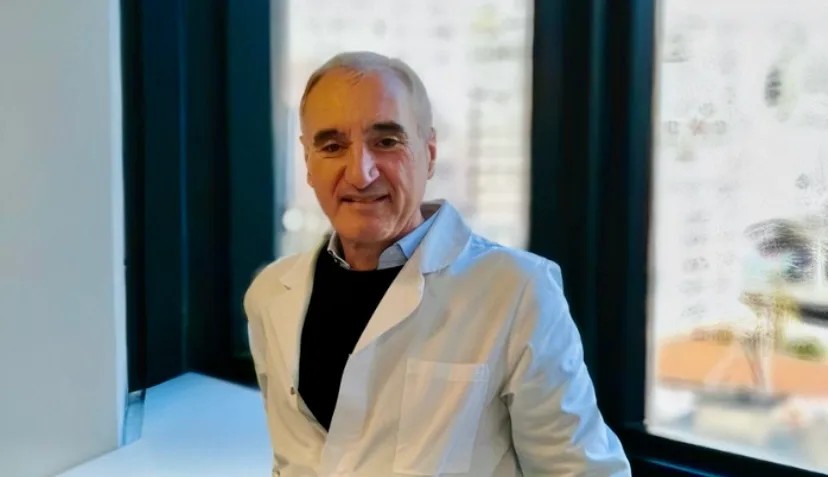
One small pixel triggered a chain of events that solved a mystery once thought unsolvable. With the help of AI, the Italian rescue teams brought closure to Ivaldo’s family — and opened a new chapter in the future of emergency response.
As mountainous regions around the world face rising numbers of climbers and increasingly unpredictable weather, AI‑powered search tools may soon become a standard part of rescue strategy — transforming what’s possible when every second counts.