A New Era for ChatGPT
OpenAI is preparing to introduce advertisements inside ChatGPT for the first time, marking a major shift in how the world’s most widely used AI assistant might sustain itself financially. According to reporting from WIRED, the company will begin testing ads with U.S. users in the coming weeks, placing sponsored content in clearly labeled boxes that appear directly underneath ChatGPT’s responses.
The decision reflects a strategic moment for OpenAI, which continues to expand ChatGPT’s global reach while managing the immense cost of running large AI systems. By introducing ads, the company aims to keep a free version of ChatGPT widely accessible without compromising the assistant’s integrity or reliability.
“People trust ChatGPT for many important and personal tasks… you need to trust that responses are driven by what’s useful, never by advertising.”
— Fidji Simo, OpenAI CEO of Applications
How the Ads Will Work
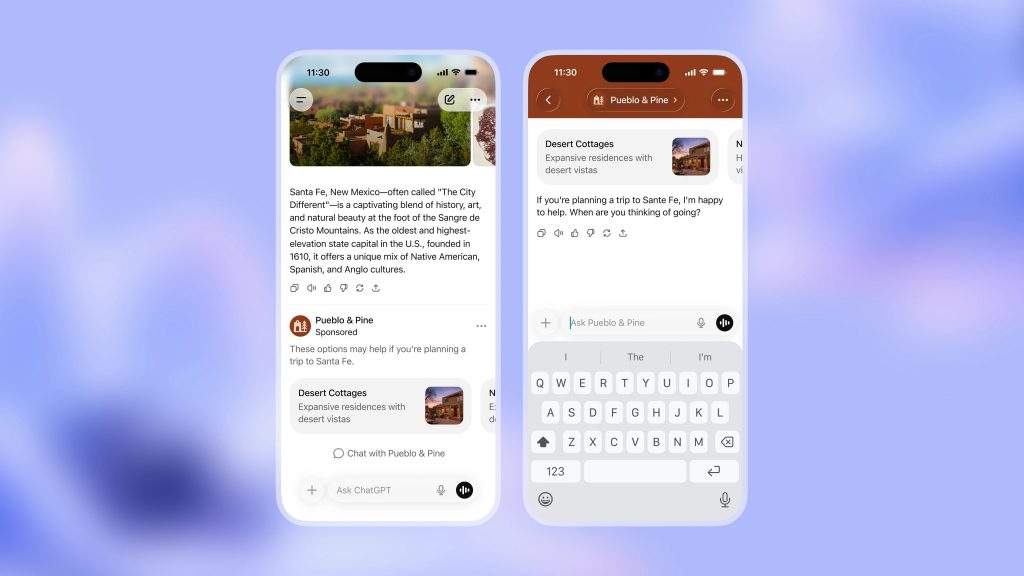
OpenAI says ads will appear only for logged‑in users on the free tier and the newly expanded $8/month ChatGPT Go plan. Users subscribed to Plus, Pro, and Enterprise tiers will remain ad‑free. Ads will appear beneath ChatGPT’s answers in small boxed sections, never embedded within or influencing the generated text.
- Ads appear below answers, not inside them.
- Only shown when contextually relevant—e.g., asking about New York travel might show a hotel offer.
- No ads for under‑18 users or around sensitive topics such as health, mental health, or politics.
- No user conversations shared with advertisers; only aggregate performance data is visible.
To determine which ads to show, OpenAI will match conversation topics with relevant sponsored products or services. Users can turn off personalization data used in ad‑matching without affecting other ChatGPT features.
A Careful Balance of Revenue and Trust
OpenAI has been cautious about entering the advertising business. CEO Sam Altman previously described ads in ChatGPT as potentially “unsettling” if they influenced responses. The company’s new approach appears to address those concerns by ensuring ads stay outside the conversational text and remain clearly marked and optional through paid tiers.
Importantly, OpenAI notes that while ChatGPT already collects data to improve its responses, none of those private conversations will ever be sold or directly exposed to advertisers. This separation of content and ads is central to maintaining user trust while expanding ChatGPT’s business model.
What This Means for Users
For everyday users, the introduction of ads means more sustainable access to ChatGPT’s capabilities—especially for those relying on the free tier. Those who prefer an ad‑free experience can maintain it through Plus, Pro, or Enterprise subscriptions. With competition heating up across the AI industry, OpenAI’s shift mirrors the advertising models long used by Google, Meta, and other major tech companies.
As the test rolls out, OpenAI will monitor user feedback and adjust the system to ensure ads complement rather than detract from the ChatGPT experience. The move could open new opportunities for brands while keeping AI tools accessible to a wider global audience.
A New Chapter in AI Monetization
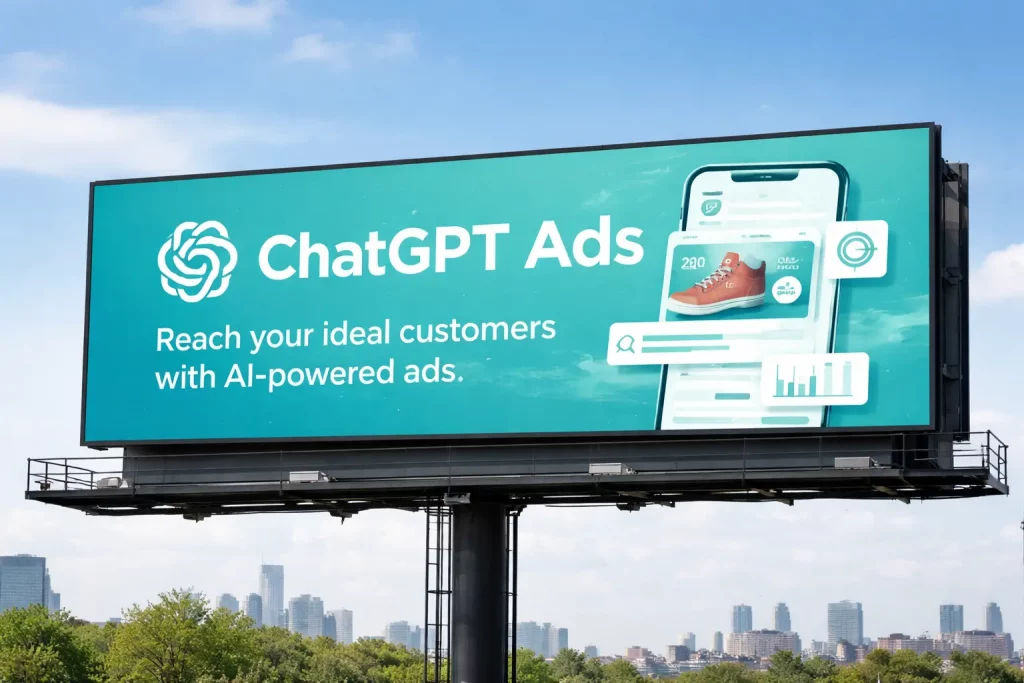
With over 800 million weekly users, ChatGPT remains a cornerstone of the generative AI landscape. Introducing ads marks the beginning of a new chapter—one where AI tools become more integrated with the broader internet economy while navigating the delicate balance between utility and commercialization.
As OpenAI expands globally and operating costs continue to climb, advertising may become an essential part of making AI both sustainable and widely available.