
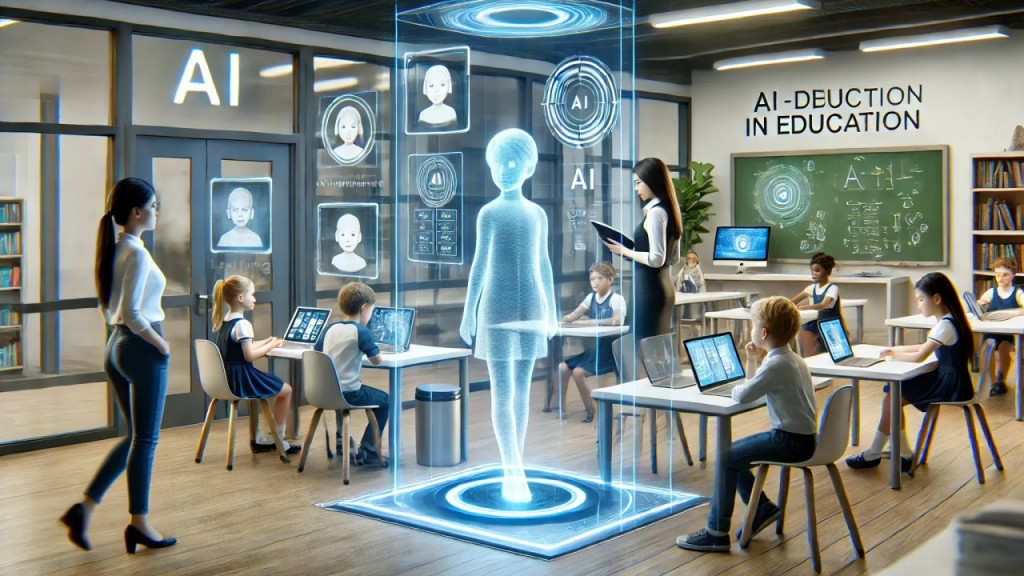
How AI Became a Classroom Essential
Schools across the UK and internationally are experiencing a rapid shift in how artificial intelligence is used in daily teaching and learning. What began as a novel classroom experiment has quickly evolved into a foundational tool for lesson planning, tutoring, grading, and personalised learning pathways. According to recent findings, 85% of teachers and 86% of students used AI tools during the 2024–2025 academic year, showing just how deeply integrated the technology has become.
But with this rapid adoption comes important questions: How are schools regulating its use? How are educators balancing the benefits with emerging risks? And what policies and strategies are shaping responsible AI use in the classroom? This article explores how schools are navigating these challenges and where the future of AI‑enhanced education is heading.
“AI is no longer a fringe tool in education—it’s central to how schools operate.”
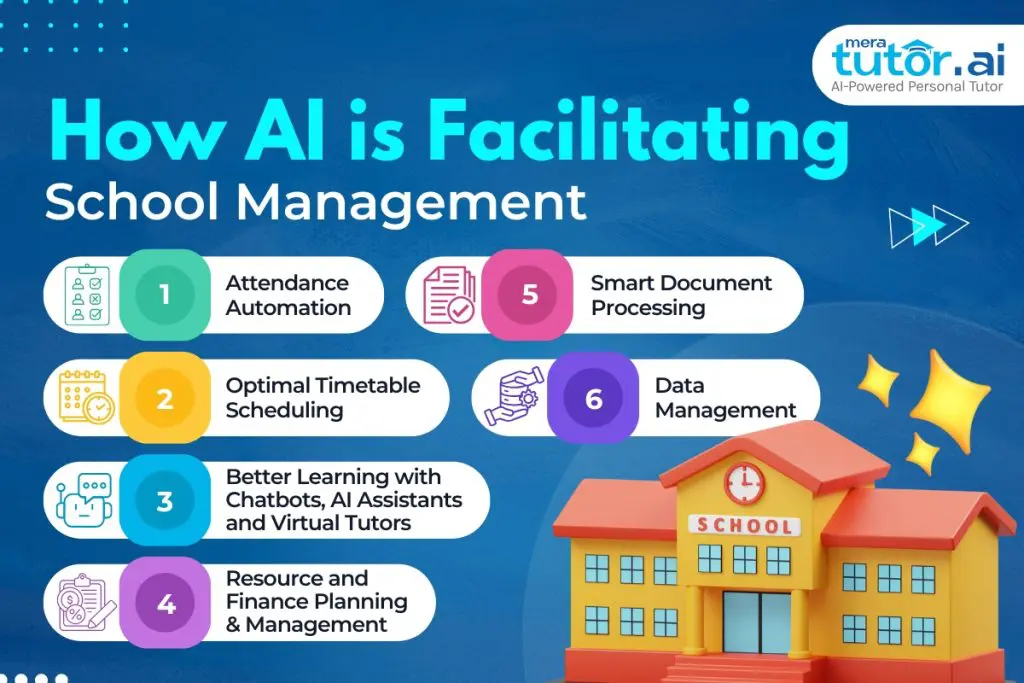
From personalised learning to 24/7 AI tutoring support, schools are leveraging AI to create more responsive and inclusive educational environments. AI systems can now detect when students are struggling, automate attendance and grading, support neurodiverse learners, and even translate content instantly—making lessons more accessible than ever. At the same time, AI is enabling teachers to reclaim valuable time, reduce administrative burden, and enhance lesson delivery through data‑driven insights.
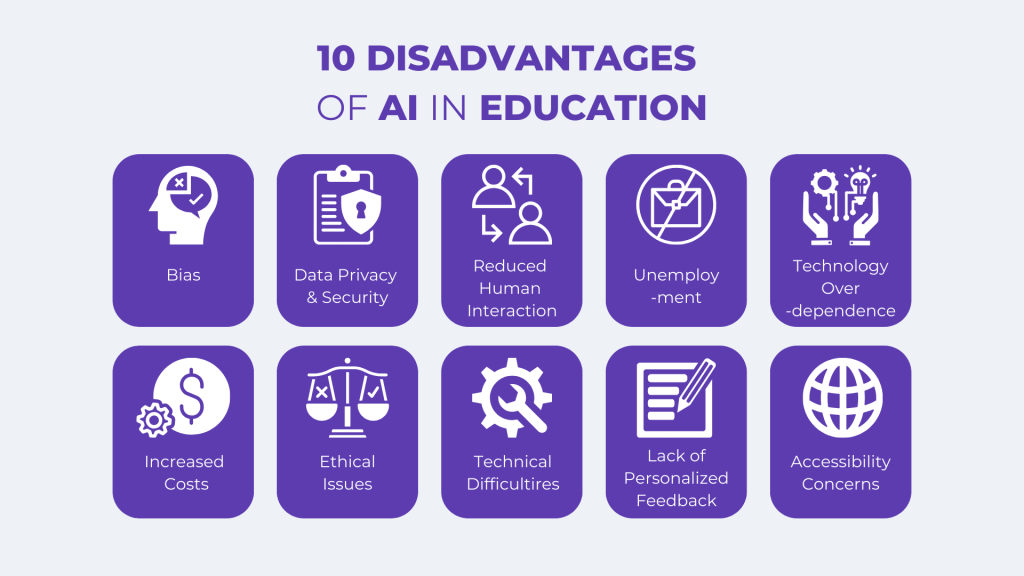
However, the rise of AI also brings real challenges. Schools face new pressures including cybersecurity risks, increased exposure to deepfakes, academic integrity concerns, and a worrying decline in critical thinking when students over‑rely on chatbots. Fewer than half of educators and students have received formal AI training, leaving a major skills gap despite widespread usage.
To manage these concerns, many schools are shifting from banning AI to regulating it. Reflective IT has been supporting education clients with AI audits, usage surveys, governance frameworks, and safe‑use guidelines. One standout example is the introduction of acceptable‑use policies that restrict data sharing to licensed tools such as Microsoft Copilot—ensuring safer, compliant and well‑governed AI adoption.
Key Trends in How Schools Are Managing AI
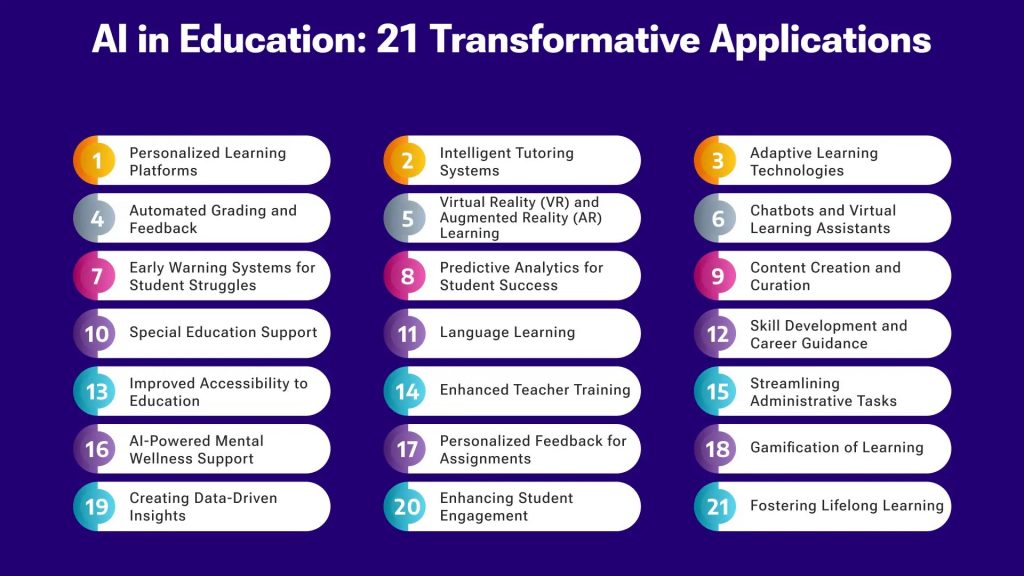
- AI‑Enabled Personalised Learning: Content adapts to each learner’s pace and style for more effective mastery.
- Automated Grading & Admin Efficiency: Teachers save hours each week as AI handles attendance, marking, and resource allocation.
- Real‑Time Student Support: AI detects early signs of academic struggle and alerts staff for timely intervention.
- Equity & Accessibility: Translation tools, voice‑interaction, and neurodiversity‑support features make classrooms more inclusive.
- Cybersecurity & Policy Controls: Schools are adopting stricter governance around which AI tools can be used and how student data is protected.
- Educator Training Gaps: Many teachers still lack formal AI literacy, highlighting the need for structured professional development.
Wrapping Up with Key Insights
AI use in schools is accelerating faster than policy, training, and infrastructure can keep up. Yet the benefits—from personalised learning to administrative efficiency—are too significant to ignore. Schools are no longer asking whether they should use AI, but how to use it responsibly. With proper governance, clear boundaries, and ongoing educator training, AI can empower both teachers and students while safeguarding academic integrity and digital wellbeing.
What’s clear is that AI is now a permanent fixture in modern education. Schools that invest early in policy, training, and safe adoption practices will be better positioned to harness AI’s strengths while minimising its risks—ensuring that technology enhances learning, rather than replaces it.